
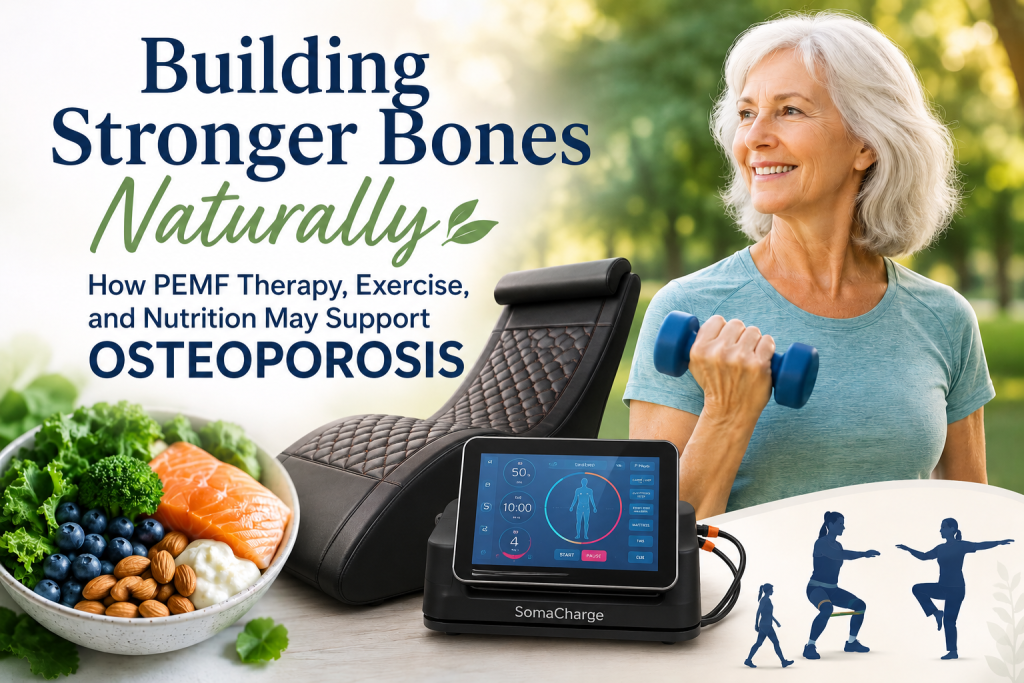
How PEMF Therapy, Exercise, and Nutrition May Support Osteoporosis
Osteoporosis is often called the “silent disease” because bone loss can occur gradually over many years without obvious symptoms—until a fracture happens. Millions of adults, especially postmenopausal women and older adults, are affected by decreased bone density and weakened skeletal strength.
The encouraging news is that many natural strategies may help support bone health, improve balance and stability, and reduce fracture risk. A comprehensive approach that includes proper nutrition, targeted exercise, and advanced supportive therapies such as Pulsed Electromagnetic Field (PEMF) therapy may help patients take a proactive role in maintaining stronger bones and healthier aging.
Understanding Osteoporosis
Osteoporosis occurs when the body loses bone faster than it can rebuild it. Bone is living tissue that constantly remodels itself, but with aging, hormonal changes, inflammation, inactivity, nutritional deficiencies, and other stressors, this balance can shift toward bone loss.
Common risk factors include:
- Aging
- Menopause and declining estrogen levels
- Sedentary lifestyle
- Poor nutrition
- Smoking
- Excess alcohol intake
- Chronic inflammation
- Long-term steroid use
- Family history
- Vitamin D deficiency
Symptoms may not appear until a fracture occurs, commonly affecting the:
- Spine
- Hip
- Wrist
Some individuals may also notice:
- Loss of height
- Rounded posture
- Back pain
- Reduced mobility
What Is PEMF Therapy?
PEMF (Pulsed Electromagnetic Field) therapy uses low-frequency electromagnetic pulses to stimulate cellular activity throughout the body. These pulses interact with cells and tissues in a way that may support circulation, tissue repair, cellular energy production, and recovery.
At Pepper Natural Health & Wellness, PEMF therapy is used as part of a comprehensive wellness approach to support healing and recovery naturally.
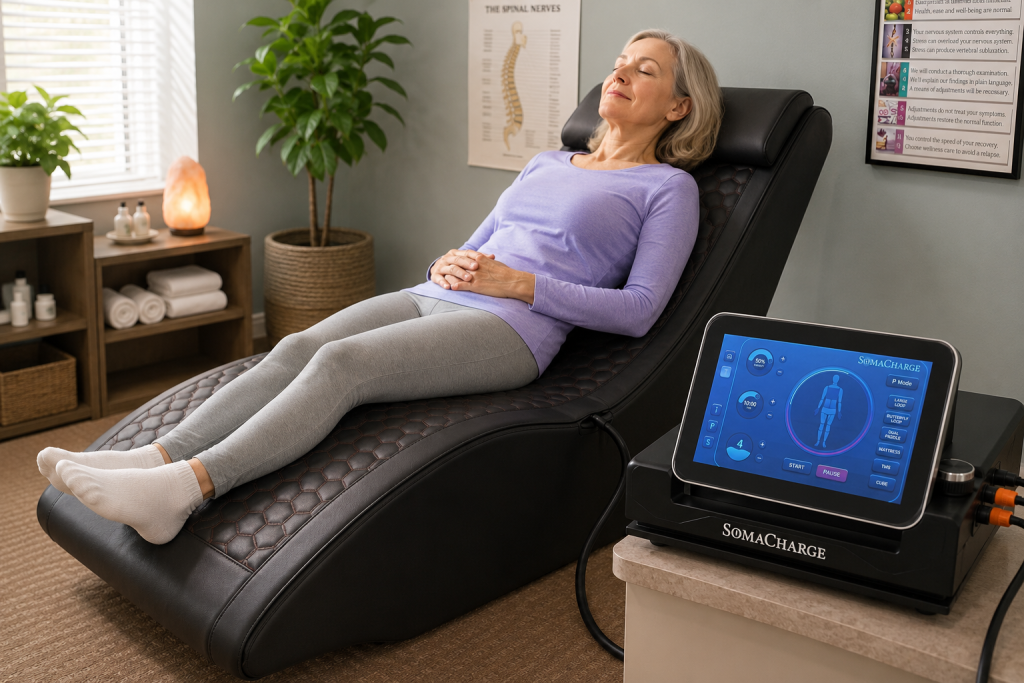
How PEMF Therapy May Support Bone Health
Research over the years has explored PEMF therapy’s effects on bone healing and bone metabolism. PEMF has been studied for its ability to influence cellular communication and stimulate osteoblast activity—the cells responsible for building bone.
Potential benefits may include:
1. Supporting Bone Remodeling
PEMF therapy may help stimulate normal bone remodeling processes and cellular repair mechanisms.
2. Enhancing Circulation
Improved microcirculation may help deliver oxygen and nutrients to bone and surrounding tissues.
3. Supporting Recovery After Injury
PEMF has historically been used in certain orthopedic settings to support bone healing and fracture recovery.
4. Reducing Discomfort and Inflammation
Many patients report improved comfort, reduced stiffness, and better mobility when PEMF is incorporated into their wellness routine.
5. Encouraging Cellular Energy Production
Healthy cellular energy production is important for tissue maintenance, repair, and recovery.
While PEMF therapy is not a cure for osteoporosis, it may serve as a valuable supportive therapy when combined with proper lifestyle strategies.
Exercise: One of the Most Powerful Natural Tools for Bone Health

Bones respond to healthy stress. Weight-bearing and resistance exercises help stimulate bone-building activity and improve muscular support around the skeleton.
Best Types of Exercise for Osteoporosis Support
Weight-Bearing Exercise
These activities encourage bones to work against gravity:
- Walking
- Hiking
- Dancing
- Stair climbing
- Light jogging (if appropriate)
Resistance Training
Strength training helps improve both muscle and bone density:
- Resistance bands
- Free weights
- Machines
- Bodyweight exercises
Balance & Stability Training
Improving balance may help reduce fall risk:
- Tai Chi
- Yoga (with modifications)
- Functional balance exercises
Postural Exercises
These exercises may help reduce spinal stress and support better posture.
Important Considerations
Exercise programs should be individualized, especially for those with:
- Severe osteoporosis
- Compression fractures
- Balance disorders
- Joint degeneration
Certain high-impact or excessive twisting movements may increase fracture risk in vulnerable individuals.
Nutrition for Stronger Bones

Nutrition plays a foundational role in bone health. Many individuals focus only on calcium, but healthy bones require a wide variety of nutrients working together.
Key Nutrients for Bone Support
Calcium
Essential for bone structure. Natural sources include:
- Sardines
- Yogurt
- Kefir
- Leafy greens
- Almonds
Vitamin D
Supports calcium absorption and immune function. Sources include:
- Sunlight exposure
- Fatty fish
- Egg yolks
- Supplementation when appropriate
Magnesium
Important for bone formation and vitamin D utilization. Sources include:
- Pumpkin seeds
- Nuts
- Spinach
- Avocados
Vitamin K2
Helps direct calcium into bones instead of soft tissues. Sources include:
- Natto
- Fermented foods
- Certain cheeses
Protein
Bones require protein for structural support and repair.
Omega-3 Fatty Acids
May help support healthy inflammatory balance.
Additional Natural Strategies for Bone Health
Maintain Healthy Hormonal Balance
Hormones play a significant role in bone metabolism, particularly estrogen and testosterone.
Reduce Chronic Inflammation
Inflammation may accelerate bone breakdown. Lifestyle factors that may help include:
- Anti-inflammatory nutrition
- Proper sleep
- Stress management
- Regular movement
Avoid Bone-Depleting Habits
Limiting smoking, excessive alcohol, and highly processed foods may support healthier bones.
Improve Fall Prevention
Many fractures occur because of falls—not simply weak bones. Improving:
- Balance
- Vision
- Footwear
- Home safety
can dramatically reduce injury risk.
A Comprehensive Approach Often Works Best
Healthy bones are not built from a single supplement or therapy. They are supported through consistent daily habits that improve the body’s ability to repair, adapt, and stay resilient over time.

A comprehensive osteoporosis support plan may include:
- PEMF therapy
- Chiropractic care
- Targeted exercise
- Nutritional support
- Balance training
- Healthy lifestyle habits
At Pepper Natural Health & Wellness, we believe in helping patients support their long-term health naturally through individualized care focused on function, healing, and quality of life.
Final Thoughts
Osteoporosis does not have to mean giving up an active lifestyle. With the right strategies, many individuals can continue to improve strength, mobility, confidence, and overall wellness.
PEMF therapy, combined with smart exercise, proper nutrition, and proactive lifestyle choices, may provide valuable support for maintaining healthier bones and aging more gracefully.
If you are interested in learning whether PEMF therapy or other natural approaches may be appropriate for your bone health goals, our team at Pepper Natural Health & Wellness would be honored to help guide you.